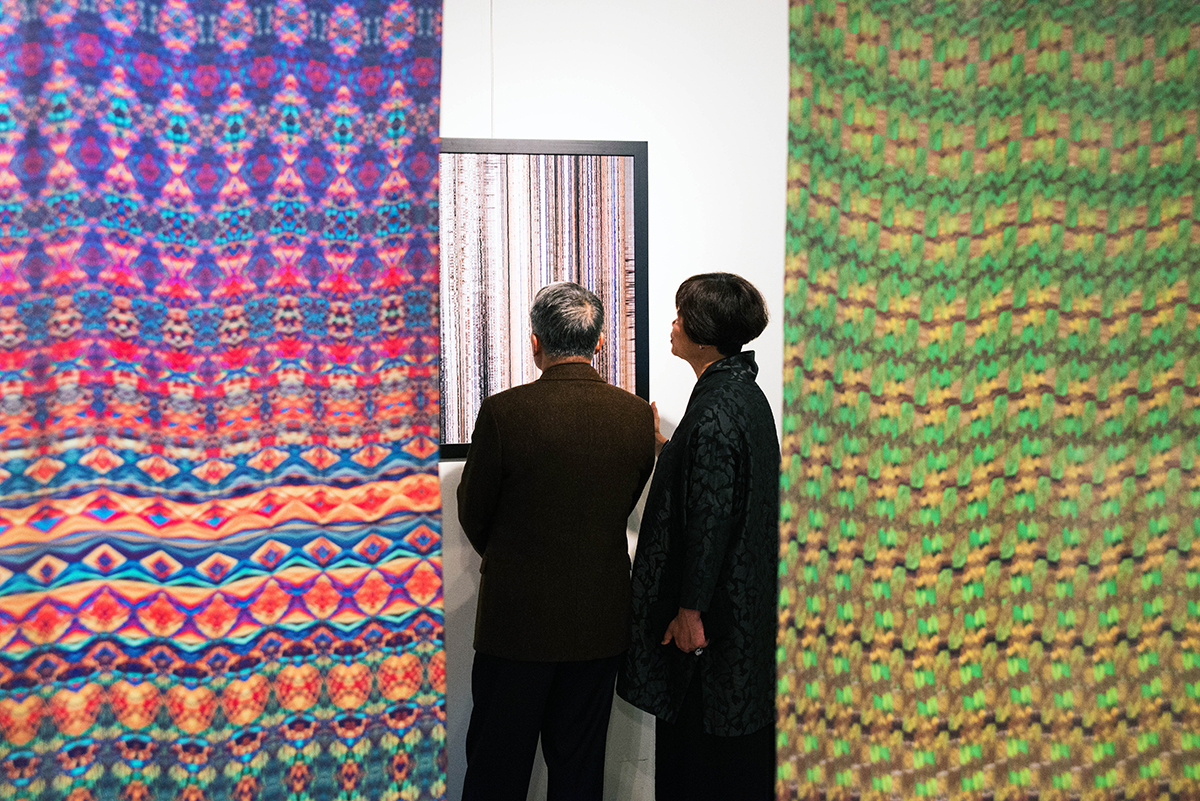
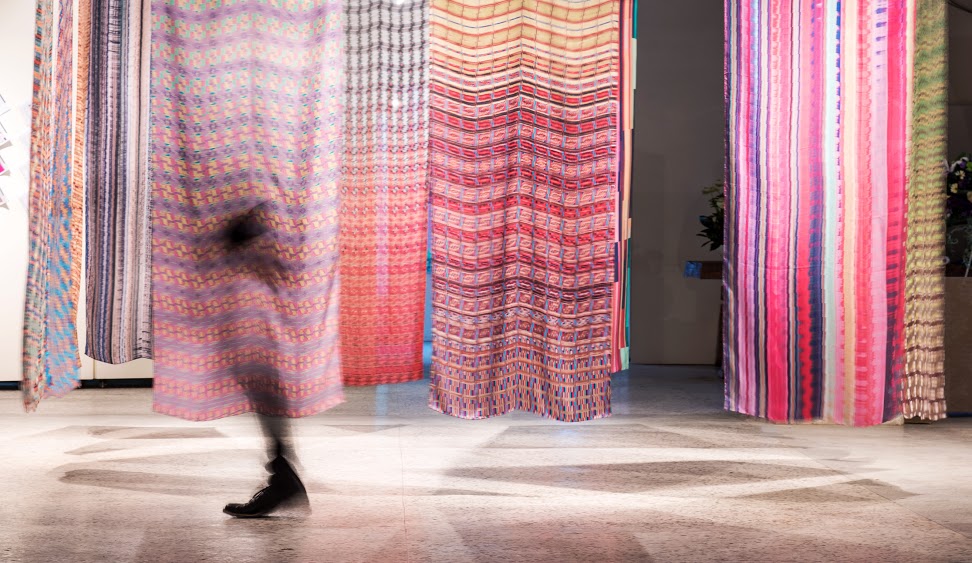
MovISee provides a method of enhancing the dialogue and observation of our environment, and creates outputs which show this dialogue. Through revealing the dialogue, individuality becomes visible and is celebrated not only because of a participant’s hand movement but also as a result of their choice of subject.
Jaron Lanier argues that technology is making people lose their individuality: “The deep meaning of the personhood is being reduced by the illusion of the bits”.2 While the digital programme is efficient inreconstructing the recorded time/space, as Howard Risatti has argued, the process “has little to do with the material’s organic properties”, such as the continuity of the real time/space or the cuts in the recorded space/time; however, the hand movements derived from holding a camera provide “special metaphorical qualities”, such as the organic aesthetic discussed above, which the viewer understands and appreciates as part of a larger world view.3 When craft meets technology, a digital process works together with a human-made action, and the whole process becomes both an approach and an attitude.
The individually crafted items are expressive of a personality, and of a presence in the world. It is this body-making process that makes the familiar become unfamiliar, and the resultant ambiguity allows the audience to interpret the image in different ways.
The information which participants (the creators) input is encoded through MovISee. As a result, while viewers might enjoy the aesthetics of the output, only the creator knows the original input data and story. If the creator gives the MovISee output, such as a printed scarf, to another person and explains the story, then they share a secret unknown to others.
MovISee unlocks possibilities and enables creative expression, which are essential components of a satisfactory life.